resource
guarding
Growling, snapping, or lunging over toys, food, locations, or certain people can create stress and uncertainty in your home, but it can be improved with the right approach.
when it’s time to seek support:
Your dog growls, freezes, stiffens, snaps, or bites when guarding valuable items.
Your dog guards food, treats, toys, chews, furniture, spaces, or people.
You feel unsure how to safely respond to your dog's behavior.
You want to understand why your dog is guarding instead of relying on punishment or intimidation.
You want a positive reinforcement-based approach focused on trust, communication, and behavior change.
You want a personalized plan to improve safety and help your dog feel more comfortable.
You are looking for support before guarding behaviors become more serious.
-
Resource guarding is a behavior where a dog attempts to maintain access to something they consider valuable, such as food, toys, spaces, or even people. Behaviors may include freezing, stiffening, growling, barking, snapping, or biting. Understanding what your dog is communicating is the first step toward creating a safer, more effective plan.
-
Resource guarding can develop for many reasons, including genetics, learning history, past experiences, stress, or feeling uncertain about losing access to something valuable. It is not about your dog trying to be "dominant" or take control - it is a behavior that communicates discomfort or concern.
-
Many dogs can make significant improvements with the right approach. Because every dog and situation is different, we focus on understanding the underlying causes, improving safety, and creating a personalized plan to change how your dog feels and responds around guarded resources.
-
No. Forcing confrontations or repeatedly taking items away can increase conflict and make guarding behaviors worse. Instead, we focus on building trust, teaching positive associations, and helping your dog feel safe through thoughtful, reinforcement-based training.
-
Resource guarding is a behavior, not an identity. While some guarding behaviors can become serious, they are often a dog's way of communicating discomfort or concern. Understanding the context behind the behavior helps us create a safer and more effective plan.
your journey
Understand the context
We'll start by looking beyond the behavior itself to understand what your dog is communicating, what factors are influencing their choices, and why the challenges are happening.
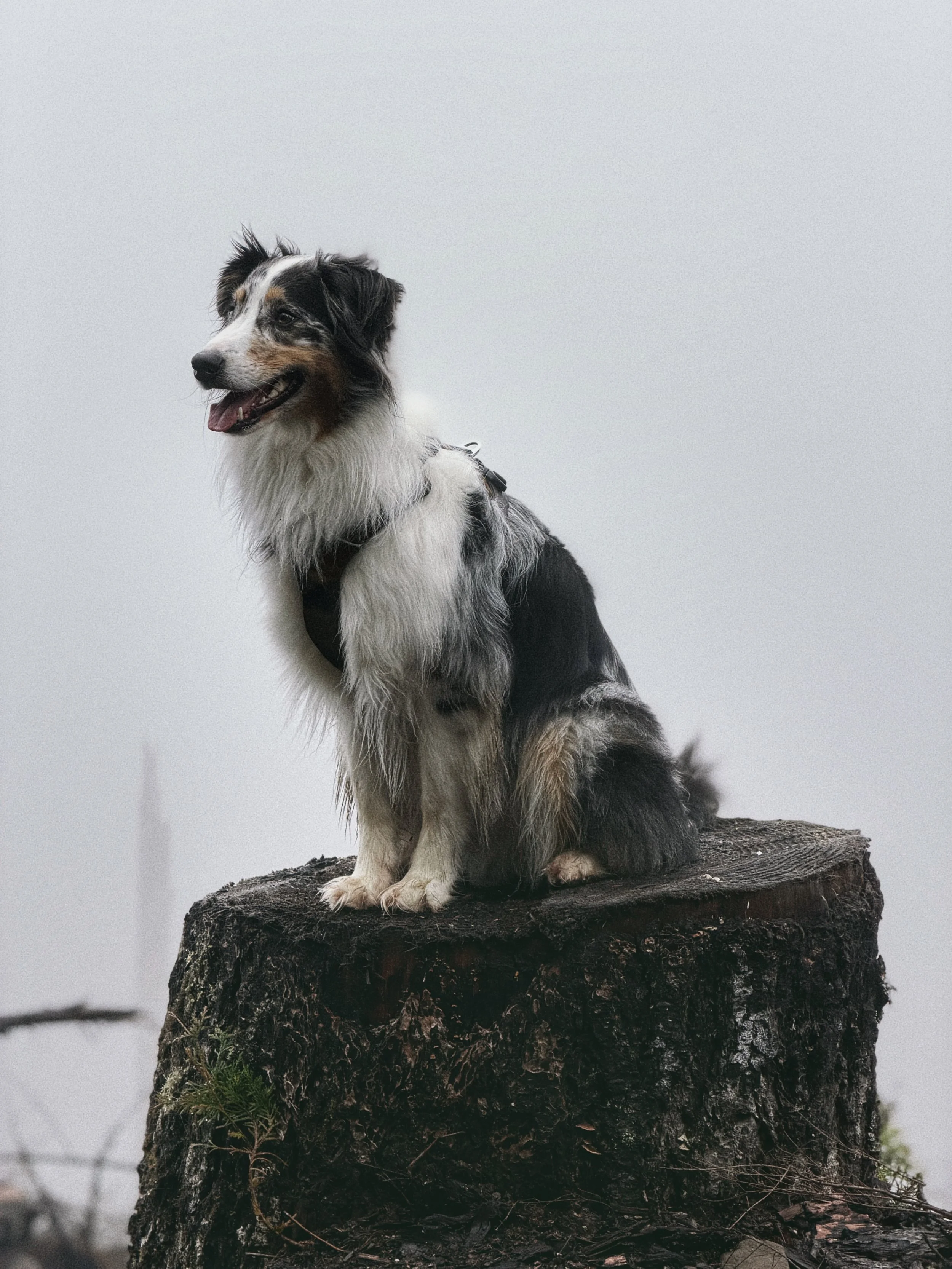
Create Lasting Change
With a personalized training plan and ongoing support, you'll learn the skills needed to navigate challenges with confidence. We'll work together to build new behaviors, strengthen communication, and make progress that fits into your real life.
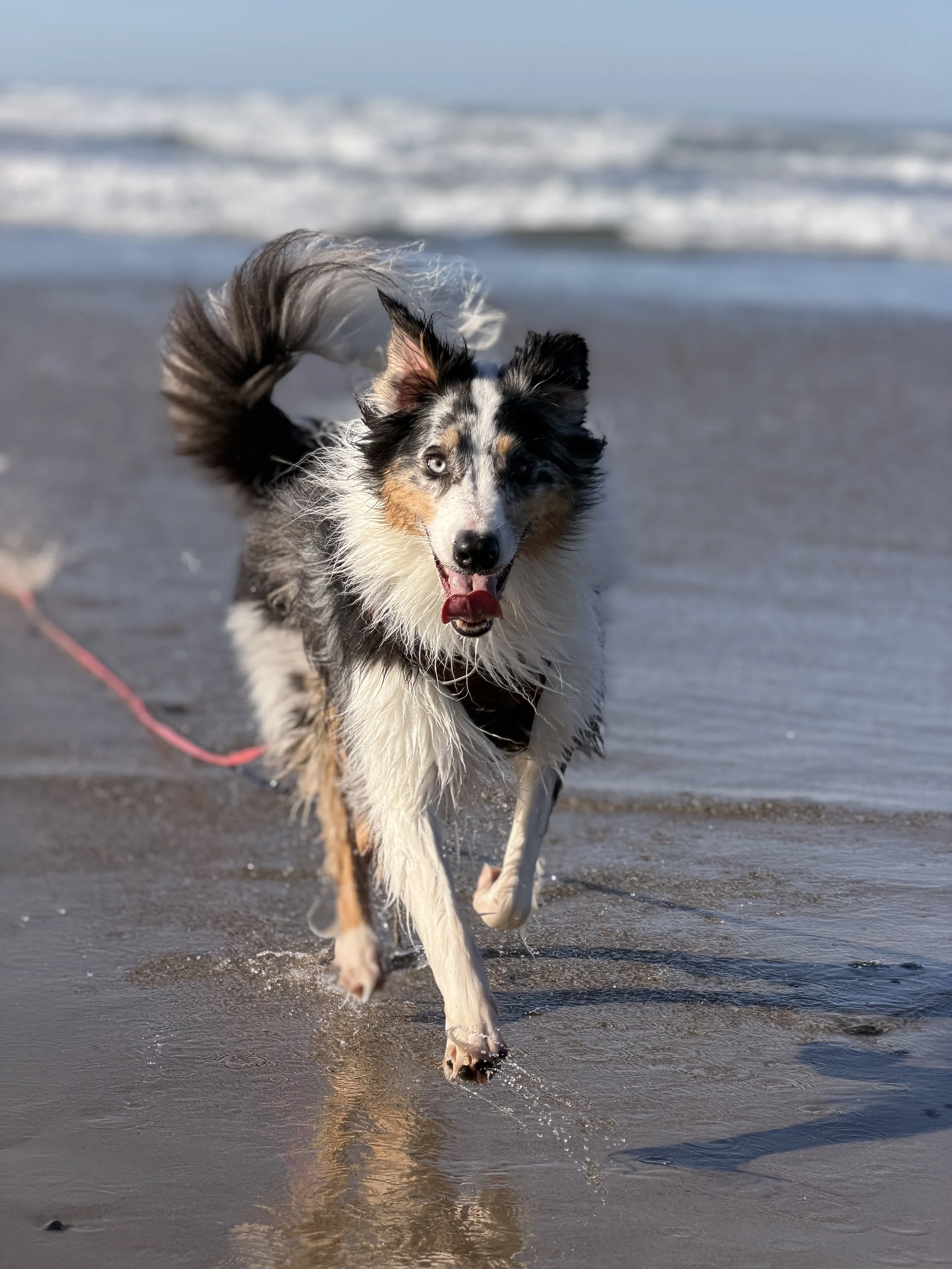
Thrive Together
The goal isn't just to manage behavior, it's to help you and your dog feel more confident, connected, and prepared for everyday life. You'll leave with a deeper understanding of your dog and the tools to continue building success long after our work together ends.
what makes collie
& corso different
Multi-certified dog trainer and behavior consultant
Virtual support designed for real-life application
Collaboration with veterinary professionals when needed
Experience with complex behavior cases
Personalized plans instead of one-size-fits-all training